The digital landscape is in a constant state of flux. Trends emerge, fade, and sometimes make a triumphant return, reshaping how we interact with the web. In our web design agency, we're not just passive observers; we're active participants, constantly exploring and integrating new trends to create captivating and effective online experiences.
While the foundational principles of good design remain constant—clarity, usability, and a strong brand identity—the visual language we use to communicate these ideas is always evolving. Let’s take a look at some of the most compelling design trends, both enduring and new, that are shaping the future of web design.
1. 3D
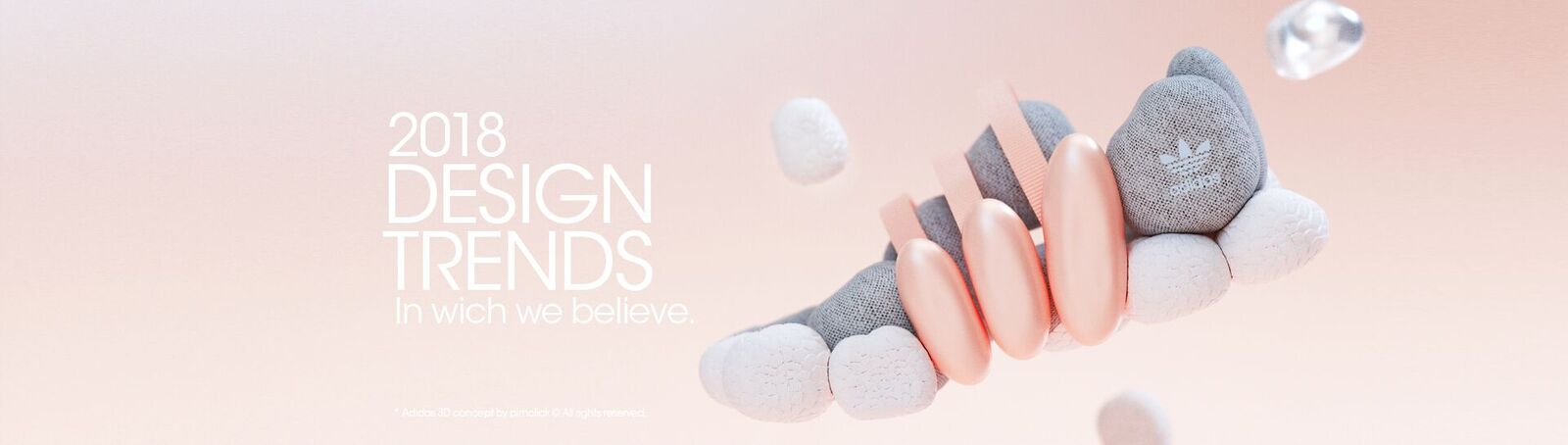
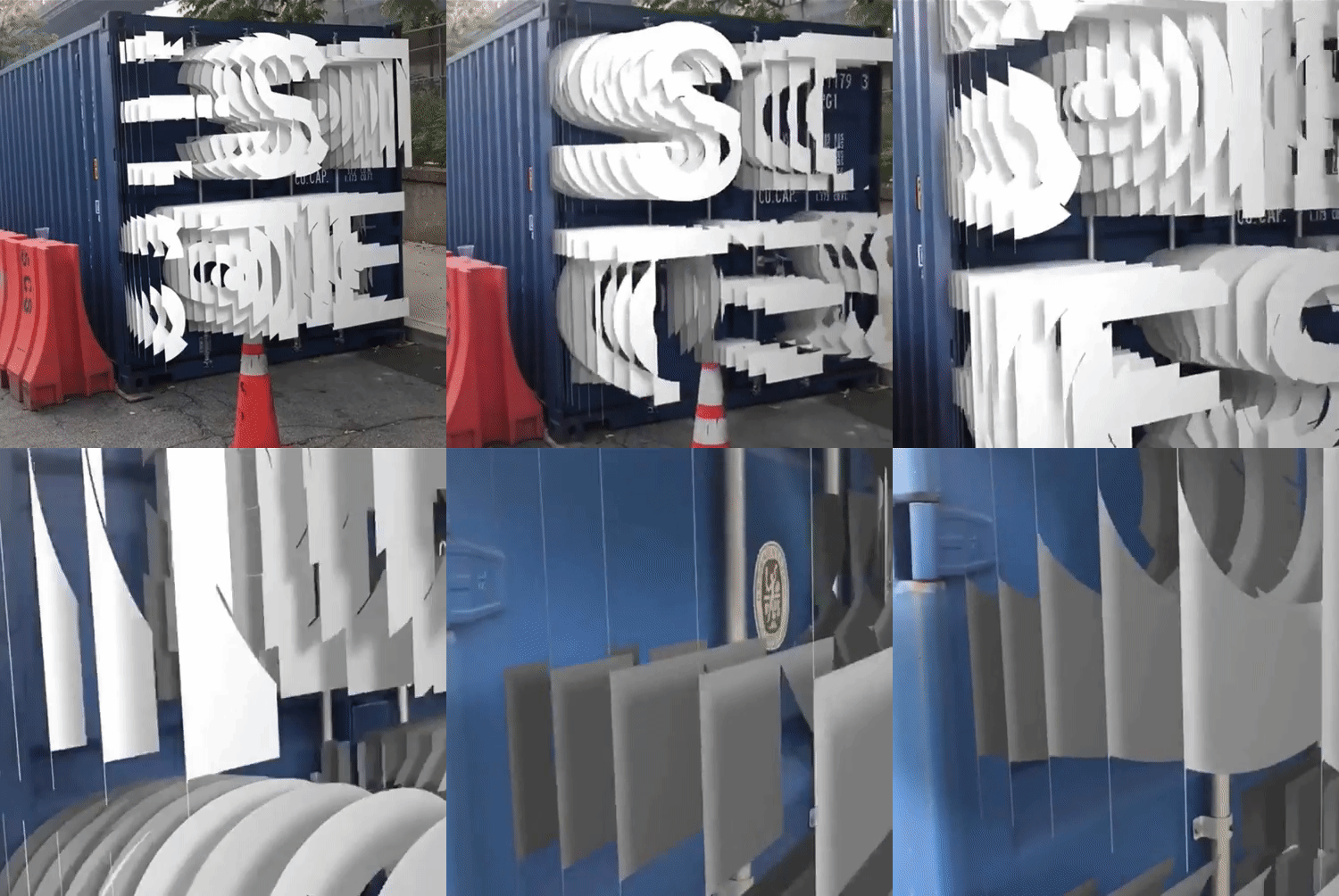
The integration of 3D elements has moved beyond a simple gimmick to a sophisticated tool for engagement. What started as a trend in 2018 has matured significantly, becoming more refined and versatile. Today, 3D isn't just about adding depth; it's about creating immersive, interactive experiences. We're seeing it everywhere, from stunning 3D typography that leaps off the screen to intricate, hand-drawn-style 3D art that adds a unique, tactile quality.
A significant evolution is the use of 3D in flat 2D designs, where a static interface is brought to life with animated 3D objects, creating a dynamic visual hierarchy. The concept of flexible 3D allows for elements to morph and interact based on user input, making the experience feel more personalized. A new trend in this space is 3D still lifes, where designers create photorealistic, hyper-detailed 3D scenes that are often used as hero images.
These still lifes can tell a story, set a mood, and captivate an audience in a way that traditional photography often can't. The rise of WebGL and other rendering technologies has made it possible to incorporate these complex 3D visuals without sacrificing performance, ensuring a smooth and responsive user experience.
2. Responsive Logos
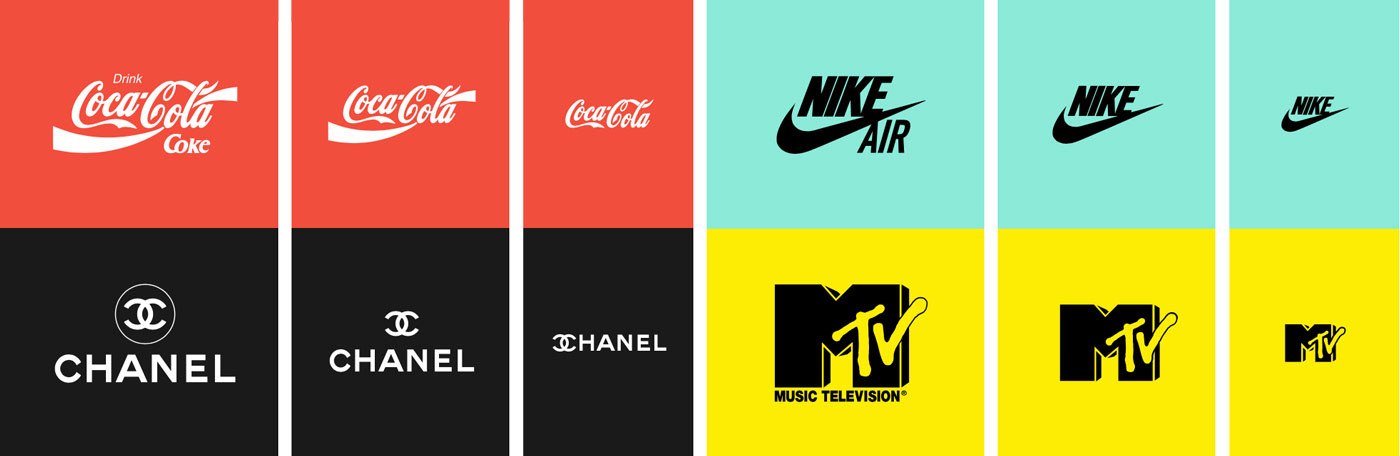
The days of a single, static logo are over. With the proliferation of devices—from smartwatches to widescreen desktops—a brand's identity must be fluid. This is why we've embraced responsive logos. A responsive logo is not just a resized image; it's a series of carefully designed variations that adapt to different screen sizes and contexts. A full logo might be used on a desktop site, while a simplified, icon-only version is perfect for a mobile app or a small social media profile picture.
This trend has expanded to the entire design ecosystem. The concept of responsive design has become a non-negotiable standard, not just for websites, but for all digital assets. We now consider how every visual element, from typography to interactive modules, will behave on a variety of devices. This ensures a consistent and seamless brand experience, no matter how a user chooses to engage.
3. Augmented Reality
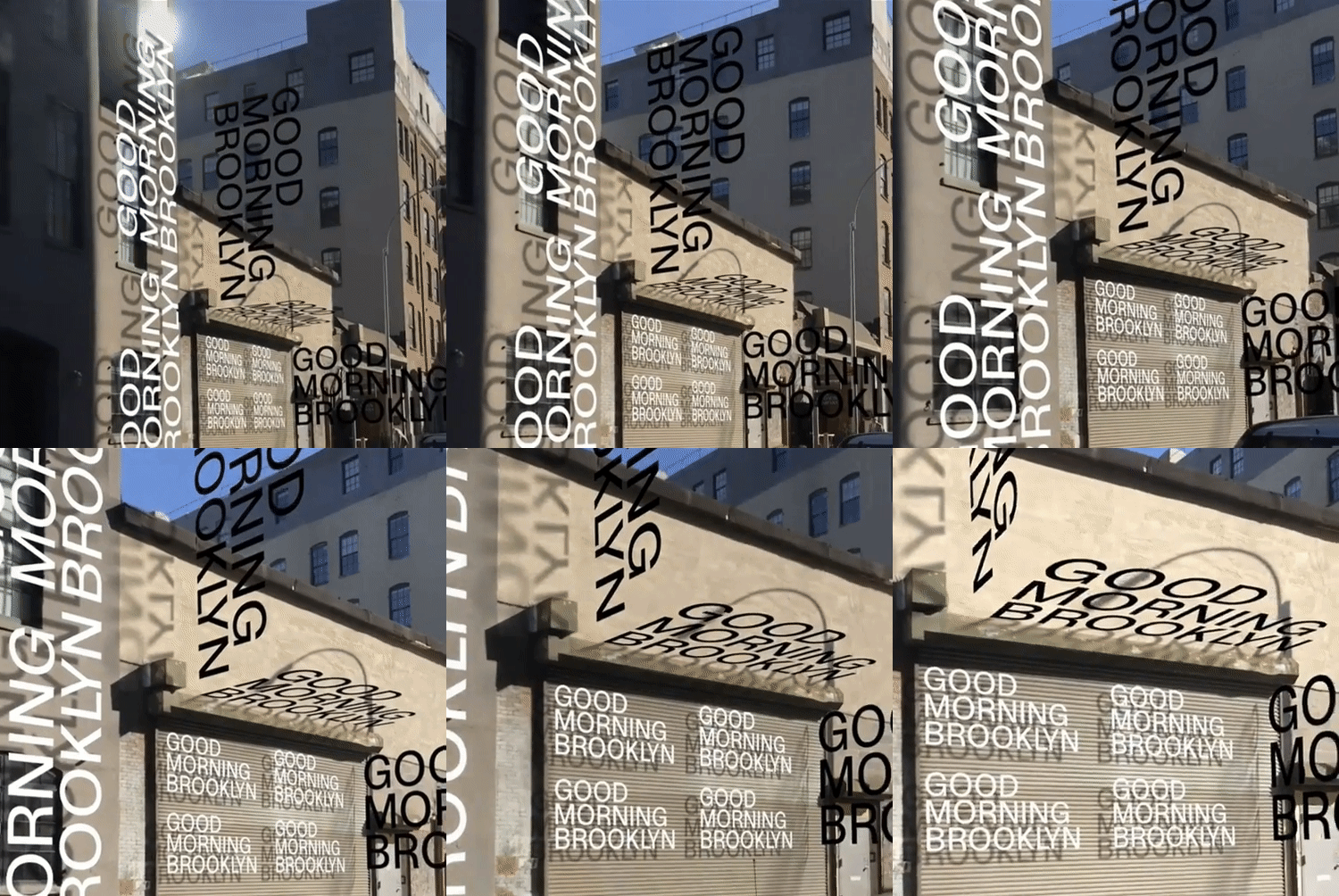
Augmented Reality (AR) is no longer just for gaming apps. It’s now a powerful tool for visual storytelling and e-commerce, especially on mobile devices. Imagine a user being able to virtually place a piece of furniture in their own living room before buying it, or pointing their phone at a product to get a detailed 3D model and information. This kind of interactive, real-world application of AR is becoming a key differentiator for brands.
This ties into a broader trend of Web3 integration. While Web3 is often associated with blockchain and cryptocurrency, its design implications are profound. We're seeing the rise of decentralized design, where users have more control over their digital identities and data. This is leading to new visual styles and interactive paradigms that prioritize user ownership and transparency. We're exploring how to create interfaces that are not only visually appealing but also secure and trust-building.
4. Gradients , Bright colors and Photography Color-gel filters
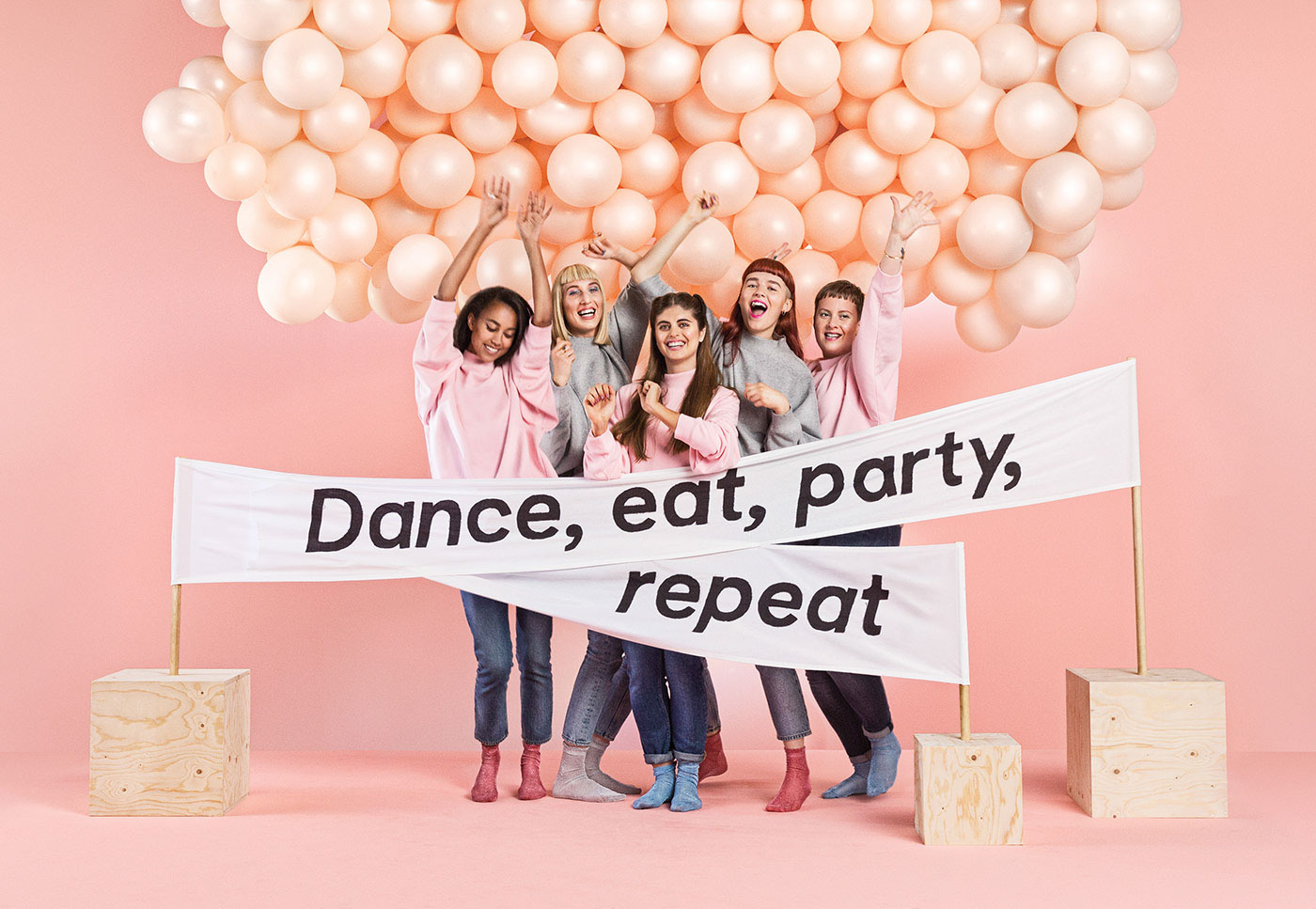
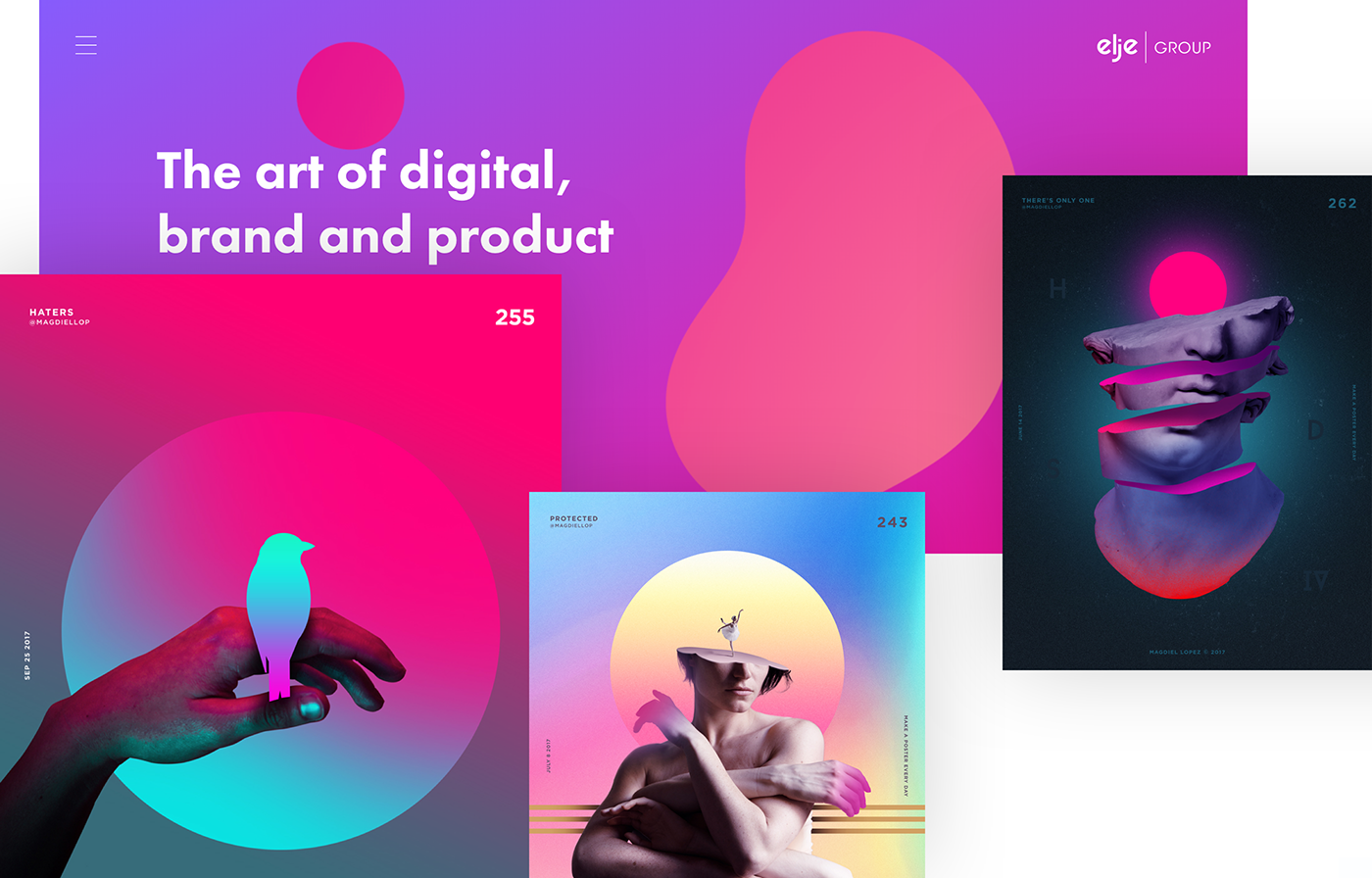
The design world has been in a love affair with gradients for a while, and this trend is only getting stronger. Today's gradients are more vibrant, complex, and often combined with texture and typography. They move beyond simple two-color transitions to create a sense of depth and dimension. This is paired with the continued popularity of bright, vivid colors and high-contrast palettes that grab attention and evoke emotion.
A new and exciting development is the use of photographic color-gel filters in digital design. Inspired by traditional photography techniques, these filters apply a single, vivid color overlay to an image, creating a unique visual mood. This approach can make a standard photograph feel more artistic, stylized, and cohesive with the overall brand aesthetic. We're often daring to mix these elements—gradients, bright colors, and color-gel filters—to create a visual language that is both bold and memorable.
5. Interactive mouse pointer
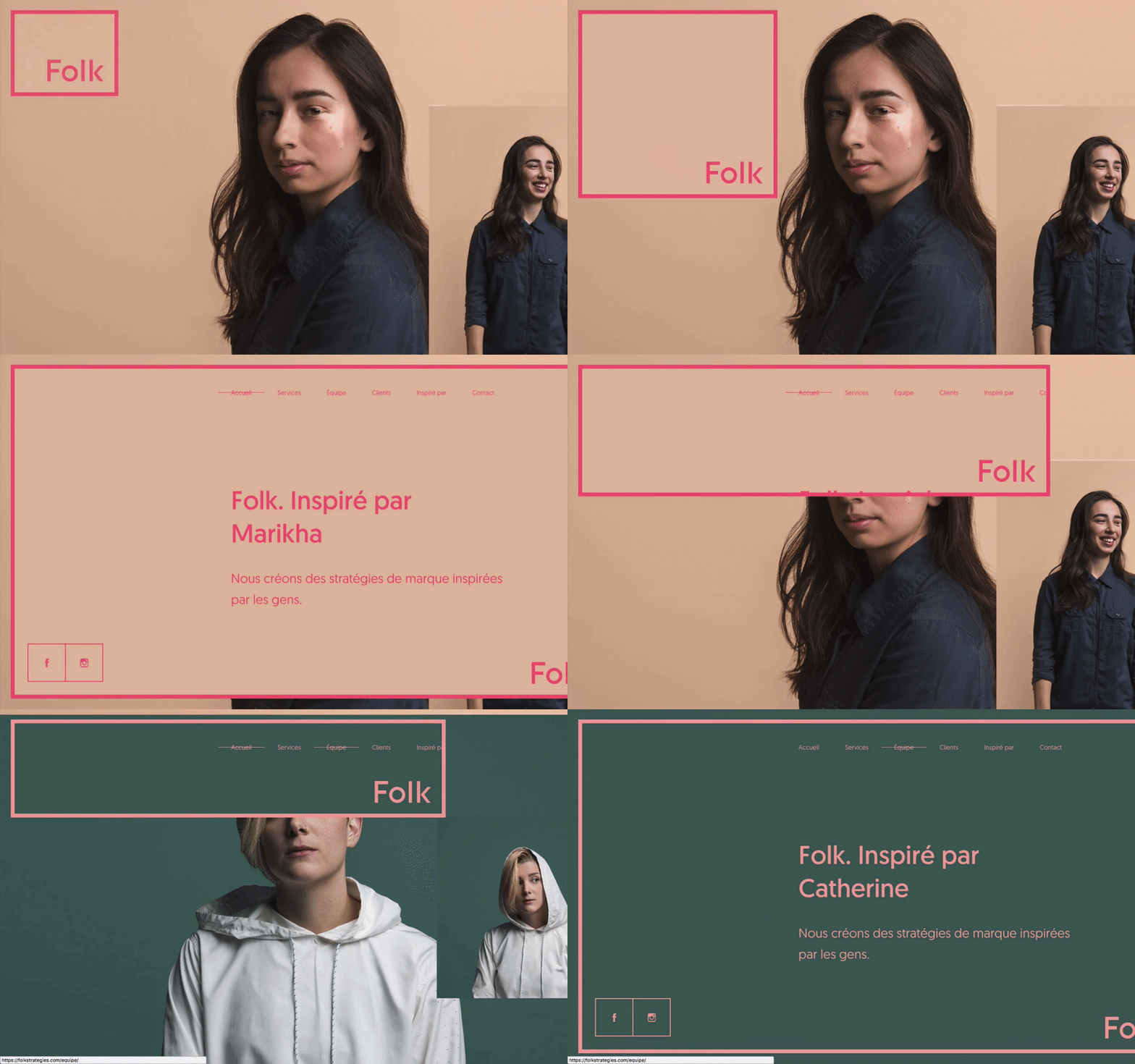
In an age of endless scrolling, the details matter. The interactive mouse pointer is a subtle yet powerful way to create a more engaging user experience. Instead of the standard arrow, a custom pointer can be an extension of the brand's personality—a a glowing orb, a pulsating dot, or a stylized icon. These pointers often trigger specific micro-interactions, like a subtle ripple effect when hovering over a link or a small animation that reveals itself as you move across the page. This level of personalized interaction elevates the user experience from a passive to an active one, making them feel more connected to the content.
Beyond the pointer, we're seeing an increase in scroll-triggered animations and micro-interactions. These are small, deliberate design elements that react to user behavior, like a section of the page animating into view as you scroll, or a button changing color with a satisfying bounce when clicked. These details make a website feel alive and responsive, creating a more memorable and intuitive experience.
6. Modern and retro mix
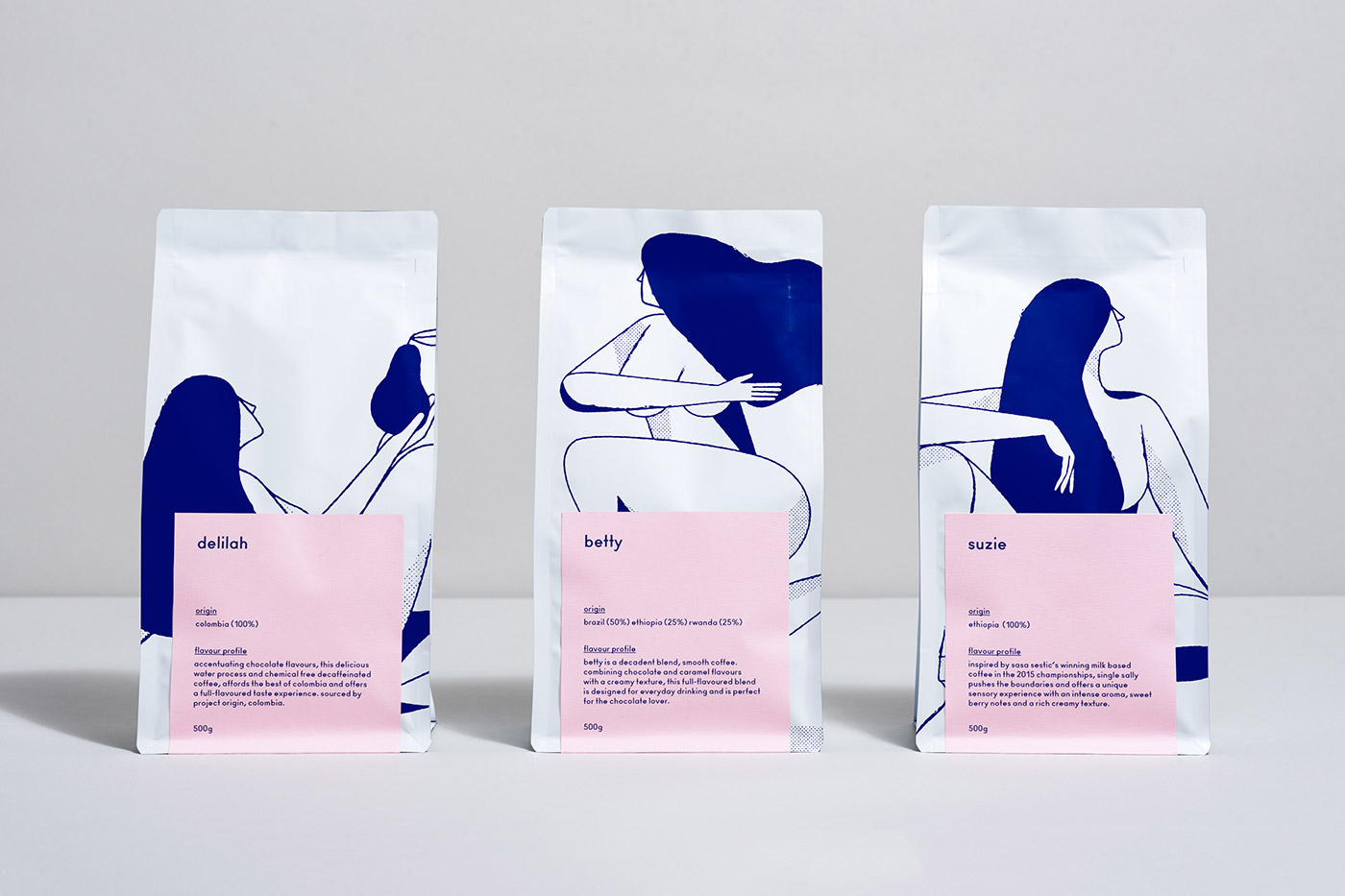
Design is often cyclical, and the current trend of mixing modern and retro styles is a perfect example. We're seeing contemporary layouts and animations combined with classic typography, grainy textures, and nostalgic color palettes. This "back to the basics" approach gives a website a timeless quality, making it feel both fresh and familiar. This mix can evoke a sense of nostalgia while still feeling relevant and technologically advanced. It's about finding the perfect balance between the old and the new, creating a unique visual identity that stands out in a crowded digital space.
7. Digital Art on creative softwares
Today's designers are not just coders and layout artists; they are true creatives. Thanks to advanced software and digital tools, we can mix digital and hand-drawn creative skills to create visuals that are both modern and deeply artistic. This includes everything from digital illustrations that look like they were painted by hand to hyper-realistic 3D art that blurs the line between a render and a photograph.
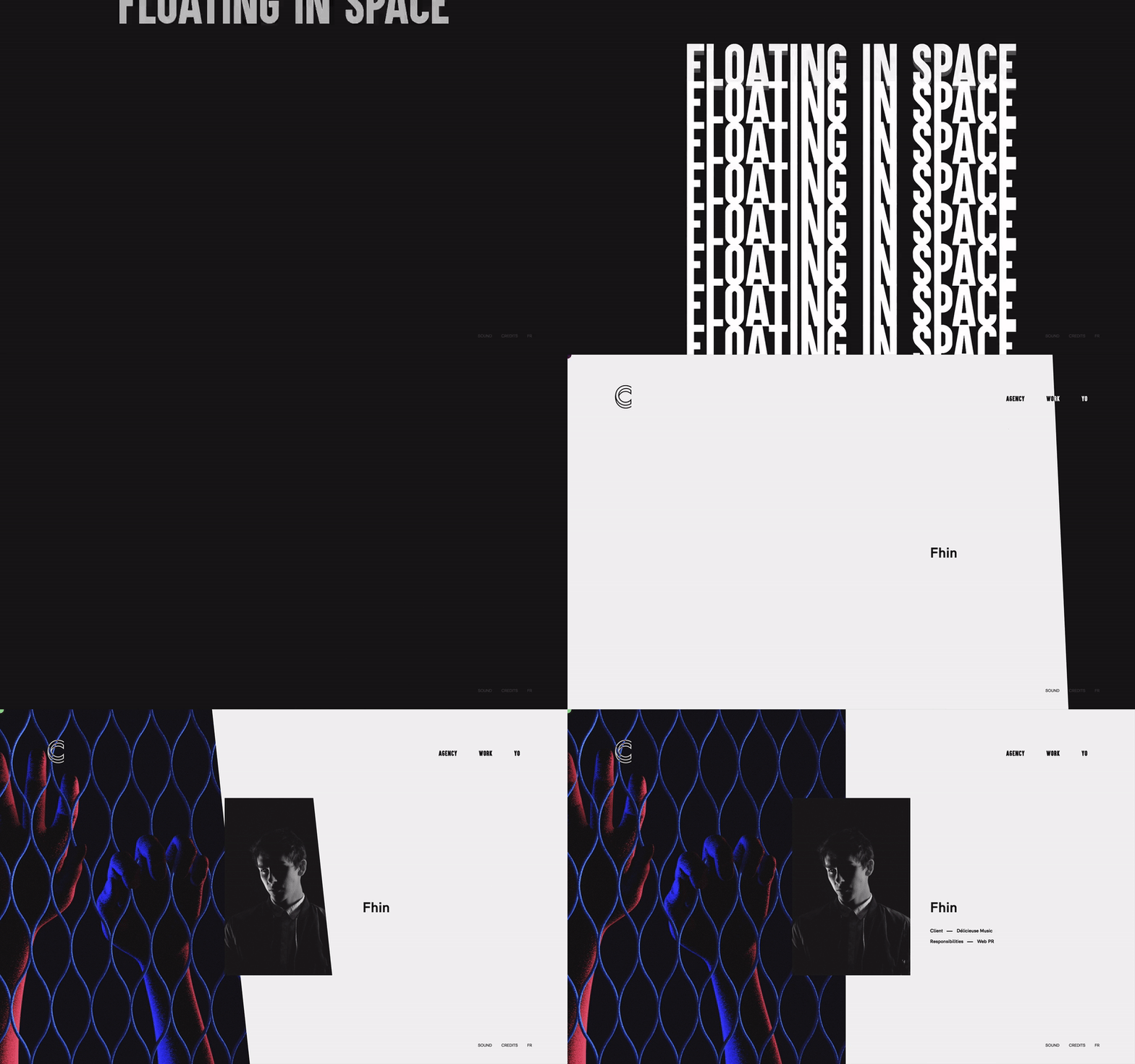
Furthermore, we believe that artful photography is the foundation of a strong visual identity. In our agency, we think about the visual aspect from the very beginning of a project, down to the details of the photographic background. This ensures that every image is not just a placeholder, but an integral part of the design narrative. We're seeing a shift toward more conceptual, storytelling-driven photography that is carefully curated to match the brand's voice and personality.
This meticulous attention to visual detail, from the art direction to the final edit, is what elevates a good website to a great one.
8. More Artful Photography
The trends we've discussed are not just fleeting fads; they represent a fundamental shift in how we approach web design. From the immersive world of 3D to the subtle artistry of interactive pointers, the goal remains the same: to create a compelling, intuitive, and unforgettable user experience. By staying ahead of these trends, we ensure that our clients' websites are not just functional, but truly iconic.