As we move deeper into 2026, web design is no longer just about aesthetics—it’s about experience, emotion, intelligence and purpose.
Users expect more than a responsive layout; they expect a site that feels alive, adapts to them, and respects their environment. These evolving expectations are reshaping what “good design” means. In this blog we’ll explore the key web design trends that are defining the digital landscape this year, and how designers and businesses can stay ahead.
Immersive 3D and Motion-Rich Interactions
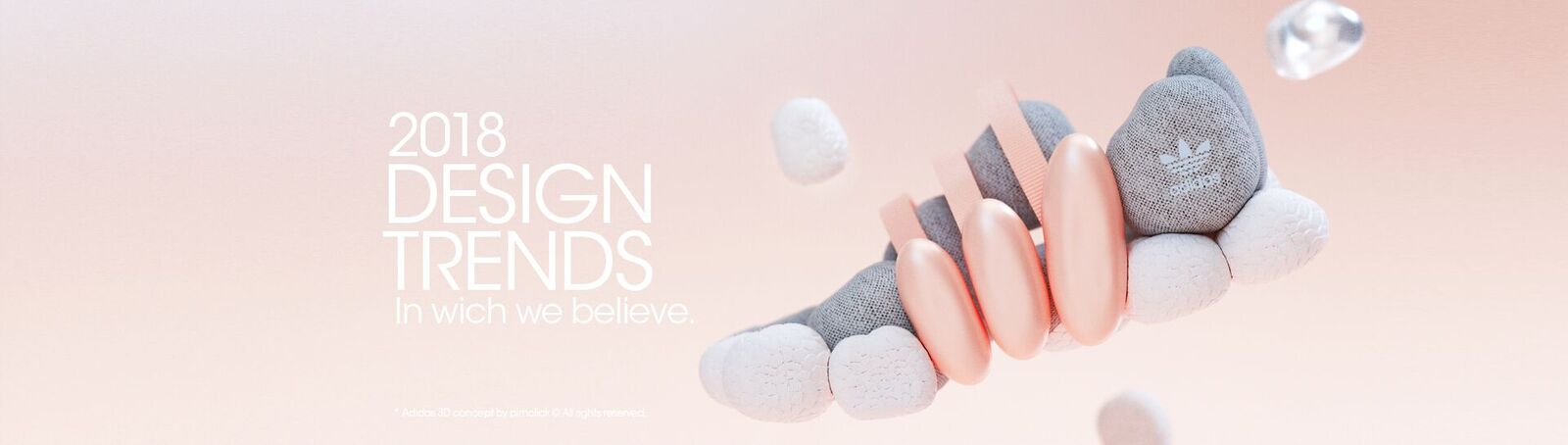
Flat design is giving way to depth, movement and interactivity. According to multiple sources, websites in 2026 increasingly use 3D elements, scroll-triggered animations, WebGL, and micro-interactions to engage users. Examples include product pages with rotatable 3D models, interactive storytelling journeys, and animated transitions that make users feel like they’re exploring rather than just clicking. The key is: these are not mere flashy effects—they serve clarity, engagement, and memorability. Designers should optimise these experiences for performance (so pages still load fast) while ensuring the motion actually adds value.
AI-Driven Personalisation and Smart UI
In 2026, web design increasingly incorporates intelligence. Sites adapt dynamically: layouts, content, even colour or typography might shift based on user behaviour, device, location or preferences. From personalised product suggestions to interface tweaks based on past interactions, this trend makes each visit feel tailored. For designers, the challenge is balancing automation with brand consistency, and ensuring privacy-friendly execution.
Accessibility, Inclusivity & Sustainable Design
Designing for everyone—and for the planet—is no longer optional. Accessibility is becoming standard: keyboard navigation, screen-reader support, high contrast, motion-reduction options. Similarly, sustainable web design—lightweight code, efficient assets, low-data modes—is rising in prominence. These practices boost usability, brand trust, and even SEO. If your site caters to all users and all contexts, you’re future-proofing.
Intentional Minimalism with Bold Personality
Clean, uncluttered interfaces remain powerful—but minimalist design is evolving. In 2026, minimalism is paired with expressive typography, bold splashes of colour, custom typefaces, and purposeful whitespace.
In other words: Less stuff, but more style. The goal: clarity of message + distinct brand voice. Designers should ensure the simplicity enhances—not hides—the brand story.
Dark Mode, High-Contrast & Visual Comfort
Dark mode has vaulted from optional toggle to design standard in many cases. Its advantages: reduced eye strain, modern aesthetic, and improved battery performance on mobile devices. Paired with high-contrast visuals and attention to typography legibility, this trend supports both style and accessibility. For designers: offer light/dark toggles, test readability in different modes, and ensure brand identity remains strong.
Voice UI & Alternative Navigation
Beyond clicking and tapping: voice commands, gesture-based navigation, and other non-traditional interaction methods are gaining traction
Think: users saying “search bikes” instead of typing, or swiping horizontally rather than scrolling vertically. This demands new thinking for navigation, architecture and micro-copy. Designers should plan for multiple interaction modes.
Performance, Speed & Core Web Metrics
As experiences become richer, the risk of slow load times increases. But user patience is short—sites still need to load fast, especially with mobile and low-bandwidth users in mind. Frameworks such as lazy-loading assets, optimizing images/videos, reducing heavy scripts, and prioritising critical content are essential. Even “cool” design fails if the user waits too long. A high performing site directly supports retention and conversions.
Bold Typography & Expressive Visual Identity
Typography is stepping into the spotlight. Oversized headlines, custom fonts, variable fonts, and expressive type treatments give brands a distinct voice Designers should use typography not just for readability but for personality: integrating motion, layering, and hierarchy to lead the user’s eye. Combined with the minimalist trend above, typography becomes a primary brand vehicle.
Conclusion: Designing for What’s Next
The web of 2026 is more than a collection of pages—it’s an experience. It’s intelligent, inclusive, expressive and efficient. The trends above—immersive visuals, AI-driven personalization, sustainable and accessible design, minimalist clarity, dark mode, voice UI, performance optimisation and expressive typography—are not fleeting fads. They reflect deeper shifts in how users expect technology to behave: human-centred, smart, and seamless.
Designers and businesses who embrace these trends will not just keep up—they’ll lead. Because in a crowded digital world, it’s the experience that differentiates. And experience is shaped by what we choose to design today.