
When building a successful website, it's easy to get caught between two essential elements: stunning web design and effective SEO.
While a visually beautiful site can captivate visitors, it won’t bring traffic if it's not optimized for search engines. On the other hand, a perfectly optimized site may struggle to keep users engaged if it lacks an appealing layout. So how do you strike the right balance between SEO and design? Here’s how to ensure your website is both beautiful and discoverable.
The Role of Web Design
Web design is the first thing users notice. From color schemes and typography to layout and user experience (UX), design sets the tone for your brand. Graphic design plays a crucial role in this process, bringing visual elements to life and ensuring consistency across your site. A well-designed site builds trust, encourages engagement, and increases conversion rates. Key components of strong web design include:
- Responsive design: Ensures your site looks great on all devices.
- Intuitive navigation: Makes it easy for users to find what they need.
- Clean visuals: Avoids clutter and supports brand consistency.
- Fast loading speed: Enhances the user experience (and also helps SEO).
However, too much focus on design can sometimes compromise site performance. For instance, large images or heavy animation can slow down loading speeds—an important SEO ranking factor.
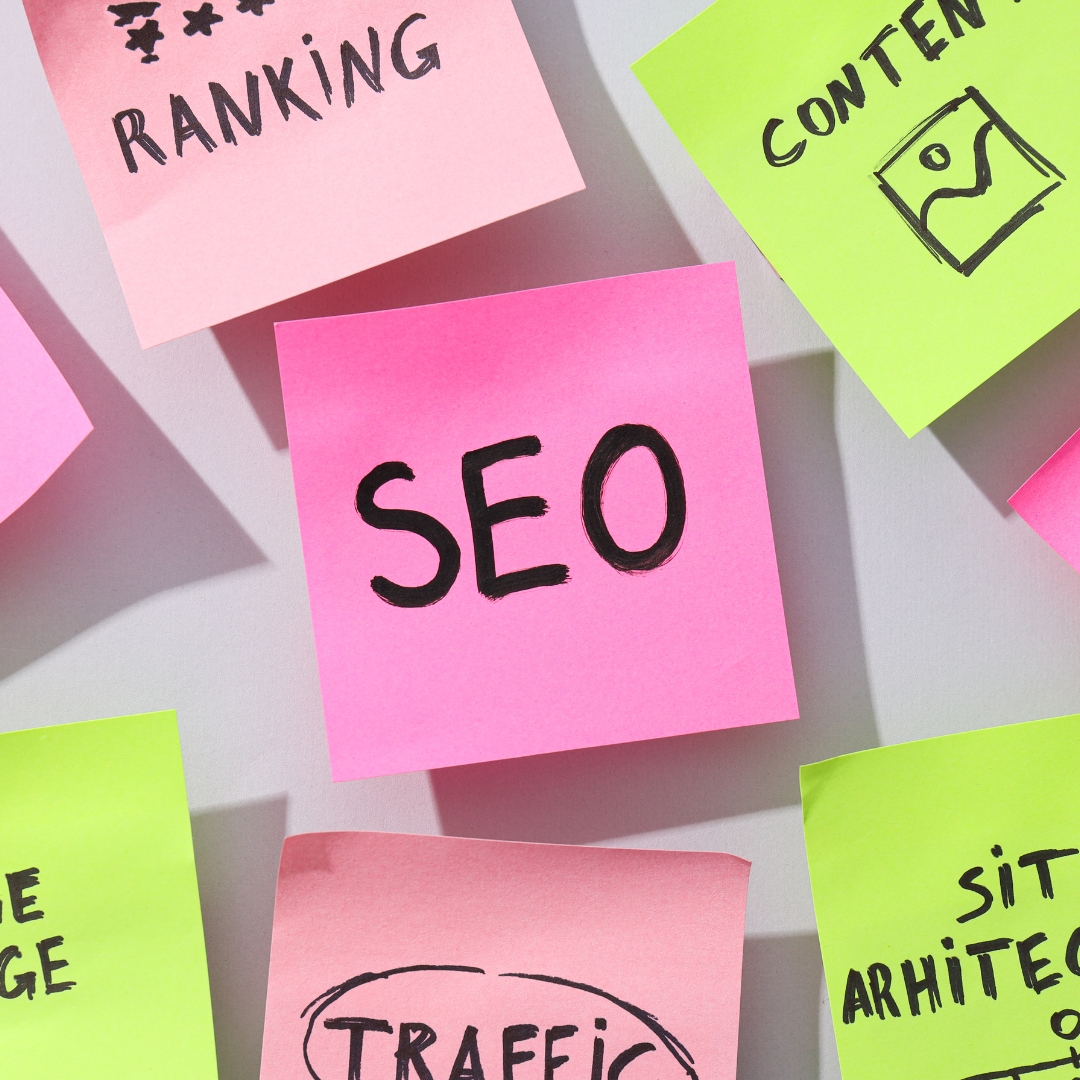
The Role of SEO
Search Engine Optimization (SEO) is the strategy behind helping your site rank higher on search engines like Google. This involves keyword usage, site structure, content quality, and technical elements like meta tags and alt text.
An SEO-friendly website includes:
- Keyword-optimized content: Relevant, informative content using strategic keywords.
- Proper heading structure: Clear hierarchy using H1, H2, and H3 tags.
- Image optimization: Includes alt text and compressed file sizes.
- Mobile optimization: Google prioritizes mobile-first design.
- Clean URLs and internal linking: Helps both users and search engines understand site structure.
SEO ensures your content is seen, while design makes visitors stay and take action.
Finding the Right Balance
- Design with SEO in Mind Don’t design first and optimize later. Consider SEO during the design process. For example, ensure that menus are crawlable by search engines and that images have descriptive alt text from the beginning.
- Use Clean Code and SEO-Friendly Themes Avoid overly complex code or bloated themes that can slow down your site. Choose lightweight templates that are optimized for SEO.
- Maintain Readability and Aesthetics Use typography and white space that enhance readability while keeping your layout clean. Well-structured content helps both user experience and SEO.
- Optimize Images Without Losing Quality Images should be high quality but optimized for fast loading. Use the right formats (like WebP) and compress images appropriately.
- Test and Analyze Use tools like Google PageSpeed Insights, GTmetrix, or Semrush to find and fix design or SEO issues. A/B testing can help you understand what balances best for your audience.

Final Thoughts
A beautiful website is only effective if people can find it. Likewise, a high-ranking page won’t deliver results if users quickly bounce due to poor design. By integrating SEO and design from the ground up, you create a site that not only ranks well but also delights and converts visitors. In the end, it's not SEO vs. web design—it’s SEO and web design working together to build a truly successful online presence.