
In 2026, the digital landscape has officially gone mobile-first. With over 7 billion smartphone users globally, mobile apps have become the heartbeat of modern brand strategy. They’re no longer optional add-ons—they’re essential tools for engagement, loyalty, and growth.
Consumers today expect convenience at their fingertips, personalized experiences, and instant connection. For brands, this means one thing: if you’re not in your customer’s pocket, you’re already one step behind.
Let’s explore why mobile apps have become the new must-have for every brand that wants to thrive in 2026.
Mobile Apps Deliver Unmatched User Engagement
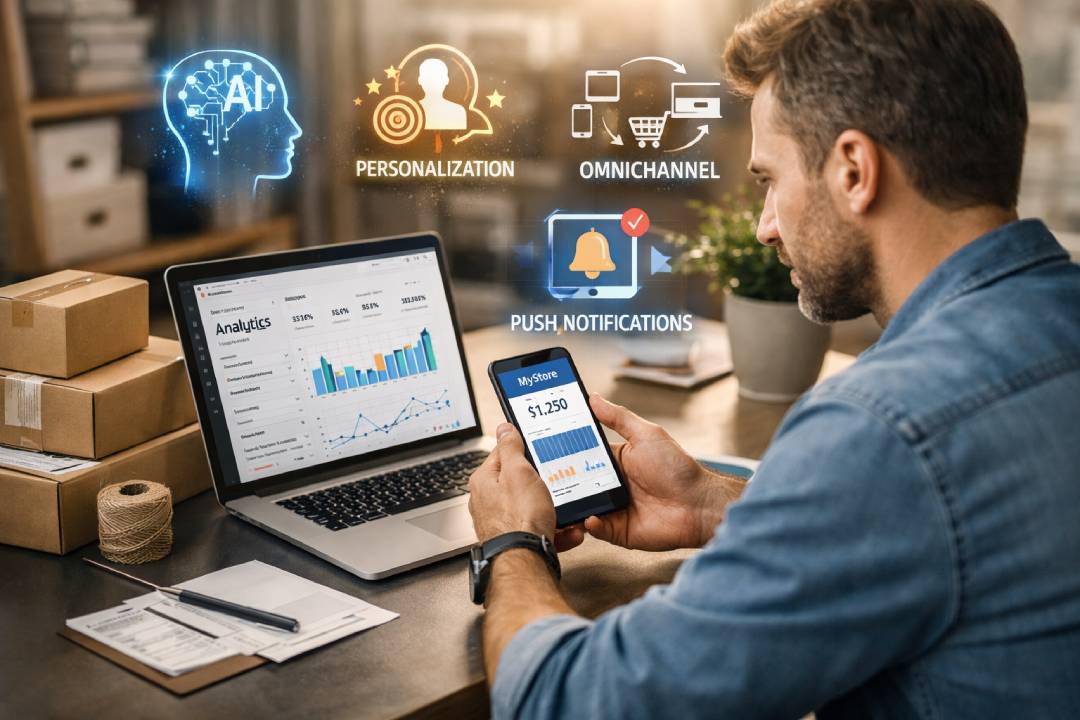
Compared to websites, mobile apps offer a deeper and more immersive experience. They integrate seamlessly into users’ daily routines—providing quick access, push notifications, and offline functionality.
According to recent industry data, users spend over 85% of their mobile time in apps, not browsers. That’s a powerful indicator of engagement potential.
With apps, brands can:
- Send personalized notifications based on user behavior.
- Offer rewards, loyalty points, and exclusive deals.
- Provide seamless in-app customer support.
This constant and meaningful engagement strengthens emotional connections and keeps users coming back—day after day.
Personalization: The Key to Customer Loyalty
In 2026, personalization isn’t a luxury—it’s an expectation. Mobile apps allow brands to collect behavioral data responsibly and use it to deliver tailored content, recommendations, and offers.
Think of how Spotify curates playlists or how Starbucks customizes rewards. These experiences feel personal, relevant, and rewarding—and that’s what drives retention.
Through features like machine learning and predictive analytics, apps can anticipate what users want next. The result? Every interaction feels like it was designed specifically for them, leading to stronger loyalty and higher lifetime value.
Seamless Omnichannel Experience
A mobile app is not a standalone channel—it’s part of a larger omnichannel ecosystem. When integrated properly, it creates a continuous experience across web, social media, and physical touchpoints.
For example, a user might browse products on a desktop, add them to a cart, and complete the purchase later through the mobile app. Features like synchronized accounts, app-exclusive discounts, and one-tap payments make that journey frictionless.
In a world where convenience drives conversions, apps ensure your brand remains accessible, cohesive, and consistent across all platforms.
Enhanced Brand Visibility and Recognition
Having a mobile app literally puts your brand in the hands of your customers—24/7. Every time users glance at their phone, your logo is visible, reinforcing brand recognition and recall.
Moreover, push notifications provide a direct communication line. Instead of relying on crowded email inboxes or social feeds, brands can reach users instantly with relevant updates, reminders, or promotions.
When used thoughtfully (and not excessively), this visibility translates into consistent top-of-mind awareness—an invaluable advantage in today’s competitive digital environment.
Data-Driven Insights and Smarter Decisions
Mobile apps are powerful data engines. They capture real-time insights about user preferences, engagement patterns, and purchase behavior.
This data helps brands make evidence-based decisions, from optimizing UX flows to refining marketing strategies.
For example:
- Tracking most-viewed products informs inventory decisions.
- Monitoring user retention highlights which features drive loyalty.
- Analyzing in-app feedback supports faster, user-focused innovation.
The more a brand understands its users, the better it can serve them—and apps make that understanding continuous and precise.
Speed, Performance, and Offline Access
One of the biggest advantages of apps over mobile websites is performance. Native apps are faster, smoother, and often available offline.
This speed translates directly into higher satisfaction. Research shows that even a one-second delay in mobile load time can reduce conversions by 20%. Apps eliminate many of those friction points, offering instant responsiveness and reliability.
Offline access is another game-changer. Whether users are on a plane, in a low-signal area, or conserving data, an app can still function—making it a trusted companion rather than a dependent tool.
Competitive Edge Through Innovation
Brands that invest in app technology stay ahead by experimenting with cutting-edge features such as:
- Augmented Reality (AR): Virtual try-ons in retail or product previews.
- AI Chatbots: Personalized, real-time assistance.
- Voice Search: Hands-free navigation for accessibility and convenience.
- In-App Communities: Social features that turn customers into advocates.
These innovations transform apps from transactional tools into experience ecosystems, offering value far beyond purchases.
The ROI of Mobile Investment
While developing a mobile app requires upfront investment, the long-term returns are significant. Apps drive higher conversion rates, customer retention, and average order values than mobile sites.
They also reduce dependency on paid ads or third-party platforms by building a direct, owned channel of communication. For forward-thinking brands, this control is both a financial and strategic advantage in the era of privacy-first marketing.
Conclusion: The Future Is in Your Customer’s Hand
In 2026, having a website is expected—but having a mobile app is strategic. Apps represent more than just convenience; they’re a statement of how deeply a brand values its relationship with customers.
By offering personalization, speed, and seamless connection, mobile apps turn ordinary interactions into emotional experiences—and casual users into loyal advocates.
Simply put: in a world that moves through smartphones, the brands that win are the ones that move with their users.