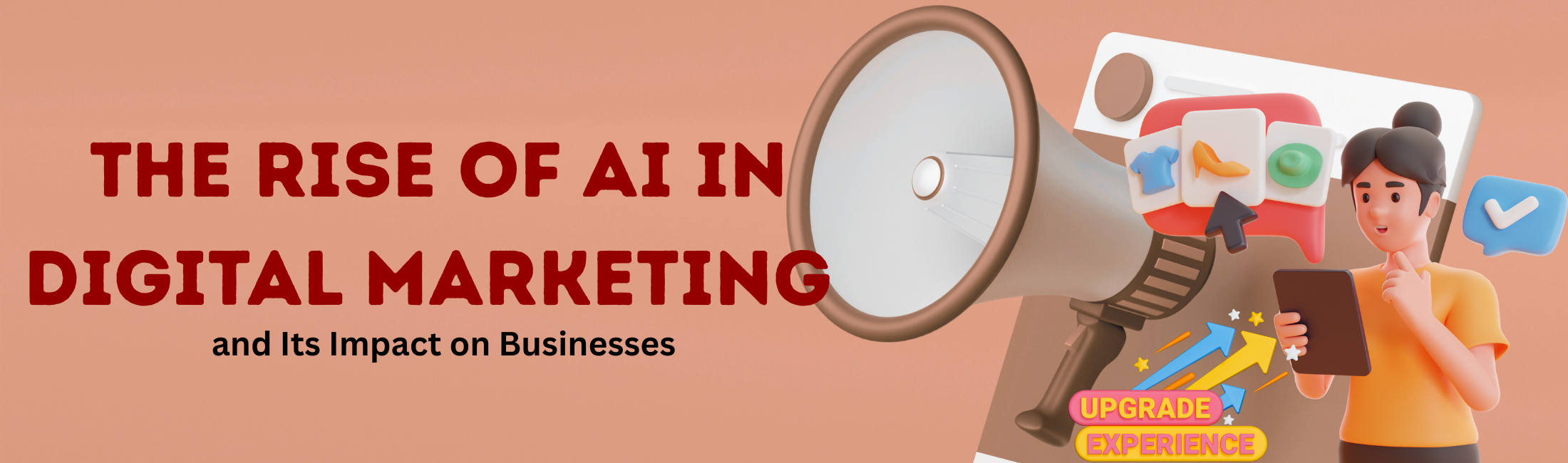
Artificial intelligence (AI) has rapidly evolved from a futuristic concept into a cornerstone of modern digital marketing.
In 2025, AI is no longer a luxury reserved for large enterprises—it has become an essential tool for businesses of all sizes looking to thrive in a competitive digital economy. From hyper-personalized customer experiences to AI-driven SEO strategies and automated advertising, the impact of AI on digital marketing continues to expand, transforming the way brands connect with audiences and drive growth.
1. Enhanced Personalization in the Age of AI
Tailored Customer Journeys
AI now enables businesses to craft hyper-personalized experiences by analyzing real-time data across multiple channels. Unlike traditional segmentation, AI leverages machine learning to predict customer intent, making it possible to deliver targeted content, offers, and recommendations at the exact moment users are most likely to engage.
Dynamic, Adaptive Content
AI-powered platforms go beyond static personalization. In 2025, dynamic content creation adapts in real time to user interactions. For example, AI-driven landing pages or personalized product feeds change based on browsing history, voice search queries, or even AI-driven sentiment analysis—leading to higher engagement and conversions.
2. Smarter Data Analysis and Predictive Insights
Advanced Analytics at Scale
AI-powered analytics tools allow businesses to sift through massive datasets and uncover actionable insights faster than ever. By detecting subtle shifts in consumer behavior, businesses can refine campaigns with precision, ensuring their strategies remain relevant.
Predictive Marketing in 2025
With predictive analytics, AI can forecast emerging consumer trends before they peak. This capability helps businesses anticipate customer needs, refine product recommendations, and make proactive adjustments that maximize ROI while reducing wasted ad spend.
3. AI-Powered Customer Interaction
Chatbots and Virtual Assistants
AI-driven chatbots have evolved into intelligent virtual assistants capable of handling complex queries with natural language processing (NLP). In 2025, these bots not only answer questions but also guide users through sales funnels, upsell relevant products, and even integrate with payment systems to complete transactions seamlessly.
Voice Search Optimization
With the surge of voice-activated search assistants such as Alexa, Google Assistant, and Siri, optimizing for voice has become a necessity. AI helps businesses adapt content for conversational queries, ensuring better visibility in voice search results and improved discoverability for local SEO.
4. Automated Content Creation and Curation
AI-Generated Marketing Content
AI-generated content has become mainstream in digital marketing strategies. From blog posts and social media captions to product descriptions and even video scripts, AI tools enable marketers to scale content production without sacrificing quality. The latest AI models are capable of creating human-like, SEO-optimized content tailored to specific industries.
Smart Content Curation
AI doesn’t just generate—it curates. By analyzing user preferences, AI recommends blogs, videos, and articles that align with customer interests, helping brands maintain consistent engagement while positioning themselves as thought leaders.
5. Advanced AI Advertising Campaigns
Precision Targeting
AI’s ability to process massive data sets enables businesses to target audiences with unmatched accuracy. By identifying behavioral signals, AI ensures that digital ads reach users at the right time, on the right platform, with the right message.
Programmatic Advertising
AI-driven programmatic advertising is now a $150 billion industry, automating ad buying and placement in real time. This allows businesses to achieve higher ROI while minimizing human error and manual management.
Real-Time Campaign Optimization
AI-powered A/B testing has evolved into continuous multivariate testing, analyzing dozens of ad variations simultaneously. Marketers can instantly identify top-performing creatives and optimize campaigns in real time.
6. Better Lead Generation and Nurturing
Lead Scoring with AI
AI-driven lead scoring models prioritize prospects based on engagement signals, buying behavior, and intent prediction. Sales teams can now focus on high-value leads, improving close rates and shortening sales cycles.
Automated Lead Nurturing
AI ensures prospects are nurtured with the right content at every stage of the funnel. Personalized email sequences, timely push notifications, and tailored product suggestions keep leads engaged until they’re ready to convert.
7. Social Media Marketing with AI
Social Listening & Sentiment Analysis
AI tools monitor millions of social media conversations to detect mentions, measure brand sentiment, and spot rising trends. In 2025, sentiment analysis has become critical for reputation management, crisis response, and real-time audience engagement.
Smart Scheduling and Engagement
AI-powered platforms automatically schedule posts at optimal times, analyze engagement, and even recommend hashtags and trending topics. This ensures brands maintain consistent visibility across social platforms without manual guesswork.
8. Cost Efficiency and Time Savings
Automation of Routine Tasks
AI reduces time spent on repetitive tasks like segmentation, campaign reporting, and keyword research. This frees up marketing teams to focus on strategic creativity and innovation, driving better long-term results.
Smarter Resource Allocation
By analyzing ROI across campaigns, AI identifies the most profitable marketing channels, helping businesses cut waste and double down on strategies that work. This ensures budgets are optimized for maximum growth.
9. AI-Driven SEO Strategies
Intelligent Keyword Research
AI-powered SEO tools can predict shifts in search trends, helping businesses stay ahead of Google algorithm updates. Instead of reacting to ranking drops, marketers can proactively adjust their strategies.
Content Optimization for Search Engines
AI analyzes search intent, competitor strategies, and engagement data to suggest SEO-optimized headlines, keywords, and structures. This leads to higher rankings, increased organic traffic, and stronger online visibility.
10. Customer Retention and Loyalty
Personalized Product Recommendations
AI continuously learns from customer behavior to deliver personalized recommendations, which significantly improve customer satisfaction and loyalty—especially in e-commerce and subscription-based models.
Customer Journey Mapping
By analyzing every touchpoint, AI creates comprehensive customer journey maps. These insights allow businesses to eliminate friction, improve retention strategies, and provide seamless omnichannel experiences.
Conclusion
In 2025, AI in digital marketing has evolved from an emerging trend into a business imperative. Companies that embrace AI-driven personalization, predictive analytics, automated content, and programmatic advertising are seeing stronger engagement, higher conversions, and increased revenue.
However, success requires balance—AI should enhance, not replace, the human touch. Authenticity and creativity remain essential in building trust with customers. Businesses that leverage AI while maintaining a human-centered approach will thrive in the customer-first, data-driven digital economy of 2025.