
In 2026, effective SEO is no longer about choosing the right keywords or building countless backlinks. It’s about balance — creating content that pleases algorithms and connects with human emotion. Search engines like Google’s Search Generative Experience (SGE) and Bing Copilot now measure not just what you write, but how readers engage with it. The goal? To craft experiences that inform, inspire, and hold attention while meeting technical SEO standards.
Understanding Dual Audiences: Algorithms vs. People
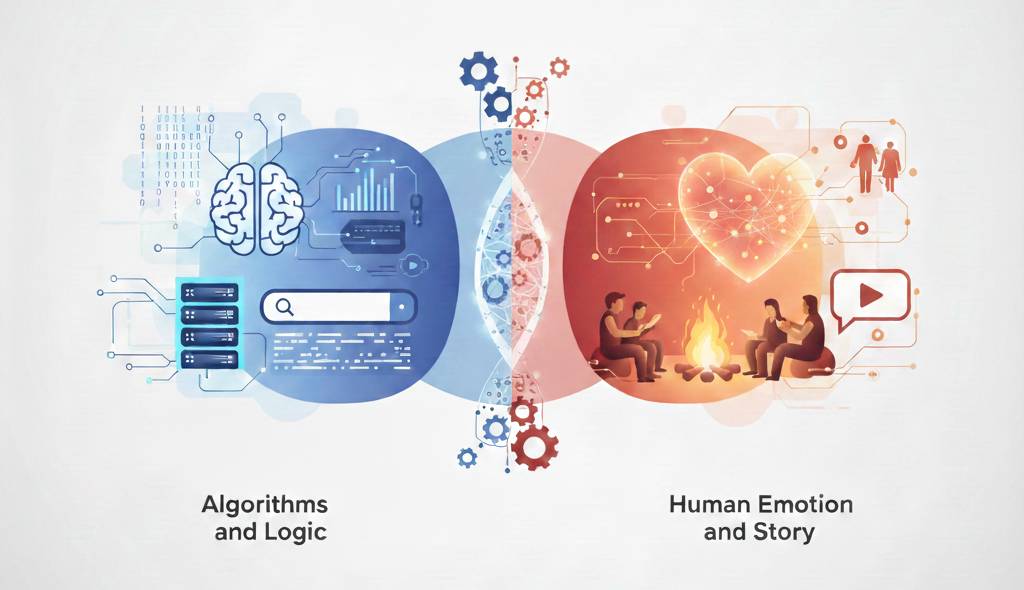
SEO today means writing for two audiences simultaneously: search engines and real humans. Search engines need structure, clarity, and context — humans crave authenticity, storytelling, and emotional connection. The winning formula lies in merging these priorities.
For Search Engines:
- Use structured data and logical content hierarchy (H1, H2, bullet points).
- Incorporate semantically related keywords and entities.
- Optimize meta tags, internal links, and readability signals.
For Humans:
- Open with empathy: identify pain points and aspirations.
- Use a conversational tone and examples that feel relatable.
- Add storytelling and visuals that make information memorable.
The content that performs best in 2026 is written with both logic and heart.
The Rise of Intent-Driven Content
Keyword stuffing is dead. Instead, success depends on understanding search intent — the why behind a query. Is your reader looking to learn, compare, or buy?
- Informational intent: Use “how-to” guides, educational posts, and FAQs.
- Navigational intent: Ensure your brand’s key pages are easily found and properly linked.
- Transactional intent: Use persuasive copy, testimonials, and calls to action.
Matching your content to user intent signals to search engines that your page satisfies queries — a major ranking factor in 2026’s AI-powered SERPs.
Crafting Human-Centric SEO Content
Human-first SEO emphasizes experience, expertise, authority, and trust (E-E-A-T). These principles guide how Google evaluates the credibility of your content. To achieve this:
- Demonstrate expertise: Back claims with credible sources, statistics, or real experience.
- Be authentic: Use a consistent voice; don’t over-optimize to the point of losing personality.
- Add value: Provide solutions, not filler text. Each section should deliver a takeaway.
- Use multimedia: Incorporate videos, images, infographics, or case studies that reinforce your message.
When readers spend more time engaging with your content, it sends positive behavioral signals (dwell time, scroll depth, shares) that boost SEO.
Technical Foundations That Support Creativity
Even the best writing can fail if your site isn’t technically sound. Search engines rely on structure to crawl, index, and rank your pages efficiently. To make your creative content shine:
- Optimize Core Web Vitals: Fast loading, stable visuals, and smooth interactions improve both ranking and user satisfaction.
- Ensure mobile-first design: Over 70 % of global searches are now mobile — slow or unresponsive layouts lose both readers and rank.
- Use schema markup: Structured data helps search engines understand context (articles, FAQs, reviews).
- Maintain clean URLs and internal links: Logical linking helps both crawlers and users navigate your site intuitively.
Think of technical SEO as the stage on which your story performs — invisible, but essential.
Emotional Storytelling Meets Data-Driven Optimization
The content that resonates combines data and emotion. Start by identifying emotional triggers tied to your topic — hope, fear, belonging, pride — and weave them into factual narratives. Then, optimize performance with analytics:
- Track engagement metrics (CTR, scroll depth, conversions).
- A/B test headlines and meta descriptions for emotional appeal.
- Use AI tools to analyze tone and readability while preserving human creativity.
By balancing storytelling with measurable optimization, you create content that not only ranks but also inspires action.
Writing for AI and Generative Search
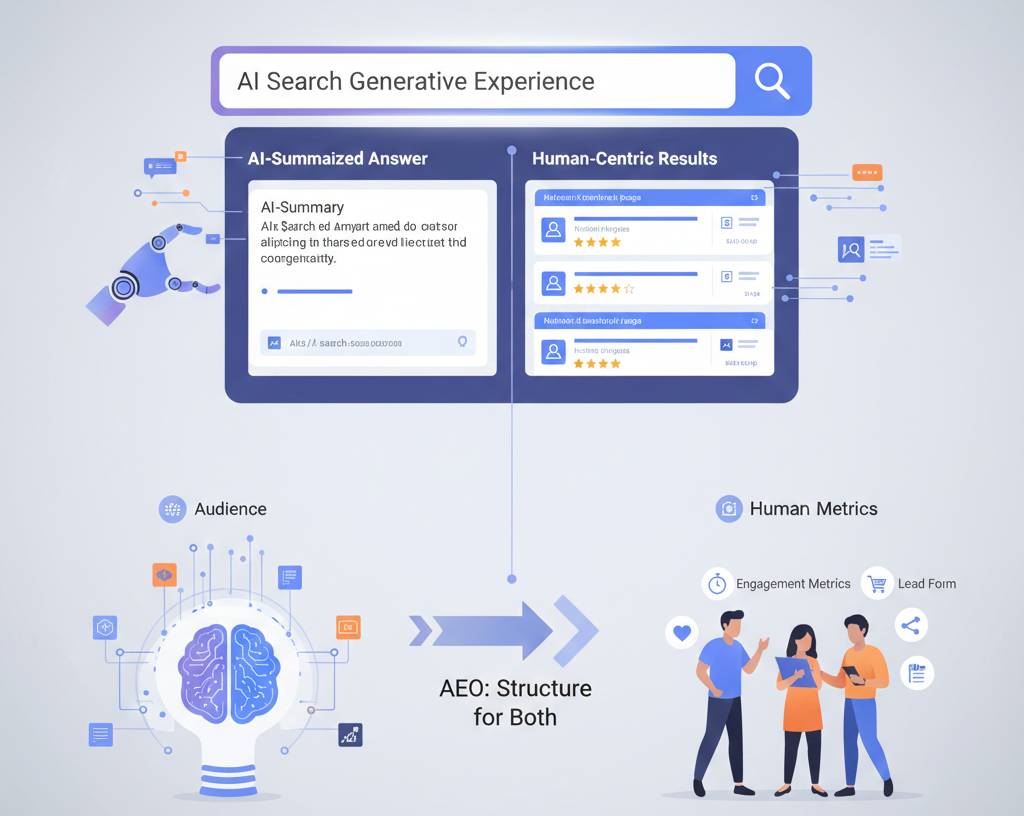
As generative AI transforms search results, traditional blue links share space with AI-summarized answers. To stay visible, marketers must adapt through Answer Engine Optimization (AEO)— structuring content so that AI can quote and contextualize it.
- Format information in Q&A or concise summary sections.
- Use short, authoritative answers that AI can easily extract.
- Add supporting visuals or data to enhance credibility. This shift rewards brands that are clear, helpful, and easy for both humans and machines to interpret.
Measuring Success Beyond Rankings
True SEO success in 2026 isn’t just position #1 — it’s engagement, trust, and conversions. Monitor:
- Engagement metrics: time on page, bounce rate, scroll depth.
- Authority metrics: backlinks, citations, social mentions.
- Conversion metrics: leads, sales, newsletter sign-ups. A holistic approach ensures your SEO content drives business value, not just traffic.
Conclusion
SEO that truly works today is human-centered, technically solid, and emotionally intelligent. The best-ranking pages in 2026 aren’t robotic keyword dumps — they’re clear, authentic stories that answer questions and connect with readers. When you blend data-driven optimization with genuine communication, you don’t just satisfy search engines; you earn loyalty, trust, and lasting visibility.