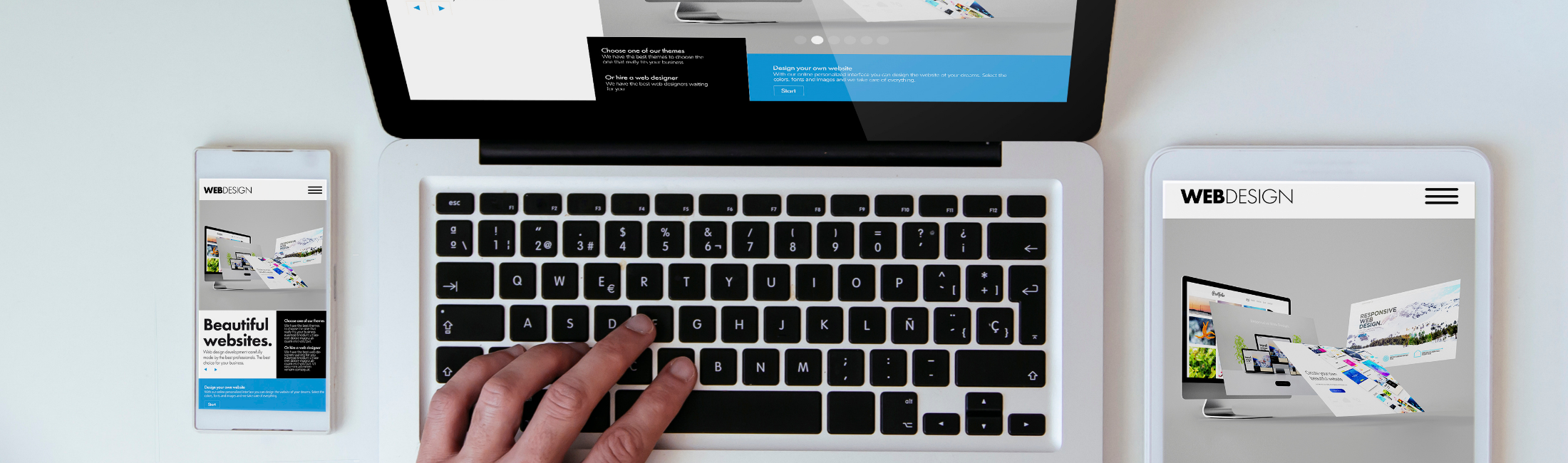
A visually appealing website is essential in today’s digital landscape, but looks alone won’t get you to the top of Google’s search results. Web design and SEO are closely interconnected—an effective design not only improves the user experience but also enhances search engine visibility.
Businesses aiming to grow online must understand how design elements such as layout, structure, speed, and mobile optimization directly influence SEO performance. This article explores how thoughtful web design decisions can boost your rankings and help attract more organic traffic.
Site Structure and Crawlability
The foundation of SEO-friendly web design starts with a logical, clean site structure. Search engine crawlers must be able to navigate your site efficiently to index your content. A flat architecture—where most pages are accessible within a few clicks from the homepage—helps search engines discover and rank your content faster.
Use clear navigation menus, internal linking strategies, and sitemaps to guide both users and bots. Proper use of headings (H1, H2, etc.) and consistent URL structure ensures that your site is easy to understand and organize.
Mobile Responsiveness and User Experience
Mobile-first indexing means Google primarily uses the mobile version of your site for ranking and indexing. If your website is not mobile-friendly, your search performance will suffer, which will impact your visibility.
Responsive web design ensures your content adapts seamlessly across different devices. Consider tap-friendly buttons, readable text sizes, and intuitive layouts. A smooth mobile experience not only pleases users but signals to Google that your site is modern and accessible.
Website Speed and Load Times
Page speed is a confirmed ranking factor. A well-designed site loads quickly by optimizing images, reducing scripts, and using efficient code. Design choices like excessive animations or high-res backgrounds can bog down load times and increase bounce rates.
Use tools like Google PageSpeed Insights to audit your site’s performance and make necessary adjustments. Fast-loading websites keep users engaged and help improve dwell time, both of which support SEO success.
Designing for Readability and Engagement
Readable content keeps visitors on your site longer. Design elements like font choice, color contrast, line spacing, and paragraph length influence how easily users can digest your content.
Break up large blocks of text with subheadings, bullet points, and visuals. An inviting layout encourages deeper engagement, reduces bounce rate, and signals content relevance to search engines.
Image Optimization and SEO
Visuals enrich your site, but they must be optimized for search engines. Use descriptive file names and ALT tags to help Google understand your images. Compress images to reduce load times without compromising quality.
Integrating SEO best practices into your media strategy—like using web-friendly formats and lazy loading—improves performance and accessibility.
Secure and Accessible Design
Google favors secure websites. Ensure your site uses HTTPS, which not only builds trust with visitors but also boosts your SEO.
Accessibility is another vital aspect. Design your site to be usable by people with disabilities, using features like screen reader compatibility, alt text, and proper labeling. Accessibility also contributes to better SEO by expanding usability and complying with Google's best practices.
Content Integration and Visual Hierarchy
Your design should support and enhance your content. Pages should be structured to highlight key messages and calls to action. A strong visual hierarchy directs users’ attention and helps search engines understand the importance of different content sections.
Avoid cluttered layouts and prioritize above-the-fold content. Make sure CTAs are strategically placed and that users can easily find what they’re looking for.
Conclusion
Web design and SEO are not separate disciplines—they are two sides of the same coin. An aesthetically pleasing site must also be functional, fast, mobile-responsive, and easy to navigate.
By aligning design choices with SEO best practices, businesses can improve their search rankings, deliver better user experiences, and ultimately achieve greater online success. Whether you're redesigning an existing site or launching a new one, incorporating SEO-focused design from the ground up will give you a competitive edge in the digital marketplace.