Launching a new website is exciting, but to ensure it performs well in search engines, you need a solid foundation of on-page SEO.
These techniques help search engines understand your content, improve user experience, and boost your visibility in search results. Incorporating visual elements like optimized images, infographics, and structured layouts also enhances engagement and supports SEO efforts. Whether you're building your site from scratch or refining your existing content, mastering these basics is crucial for long-term success.
Optimize Title Tags and Meta Descriptions
Title tags and meta descriptions are often the first elements users see in search engine results. Make sure your title is clear, includes your target keyword, and stays under 60 characters. Your meta description should summarize the page content in 160 characters or less, using persuasive language to encourage clicks.
Use Header Tags to Structure Content
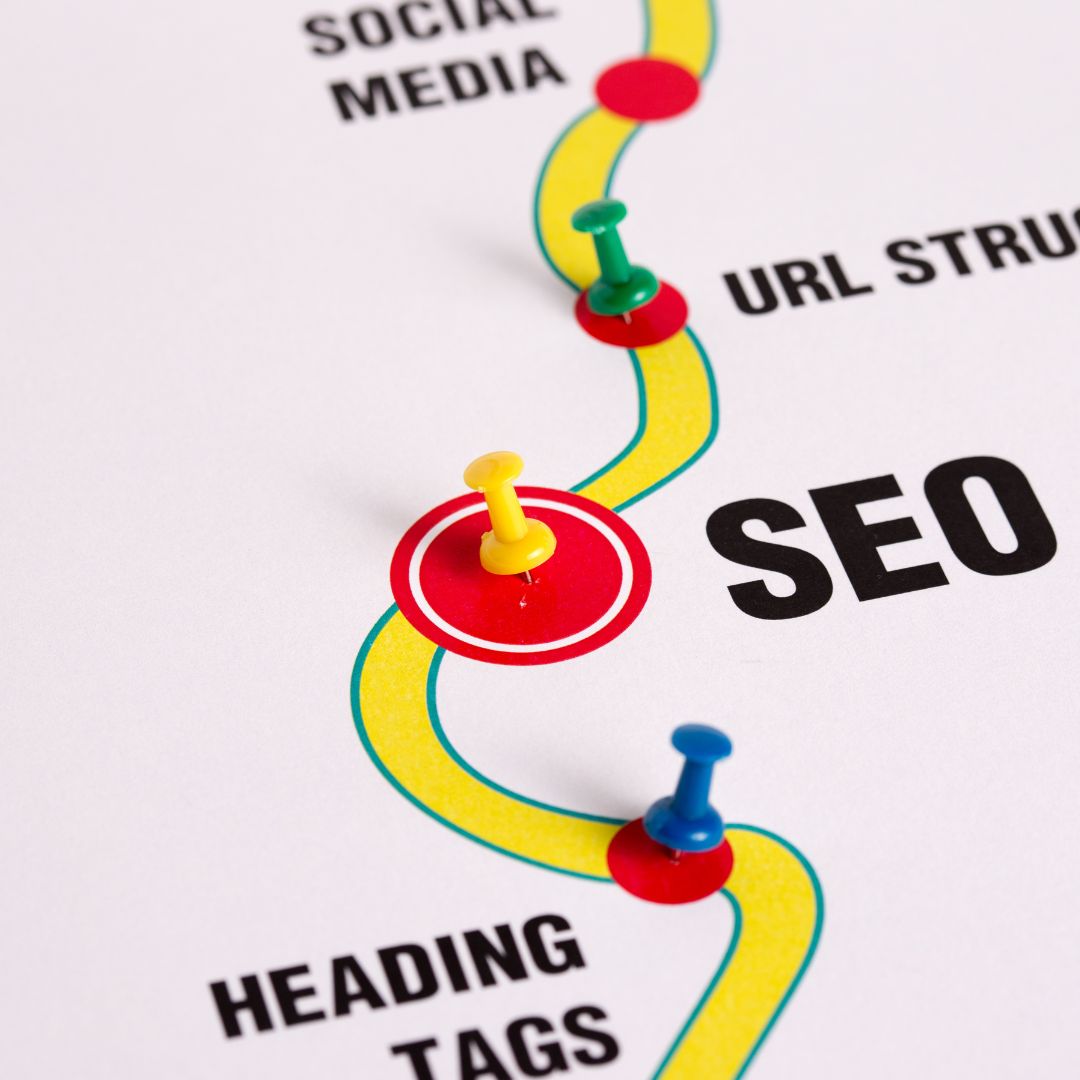
Header tags (H1, H2, H3) help organize your content for both users and search engines. Use one H1 tag per page for the main title, followed by H2 and H3 tags to divide content into sections. This improves readability and helps search engines understand the hierarchy of information.

Incorporate Keywords Naturally
Identify relevant keywords for each page and integrate them organically into your headings, body content, image alt texts, and URLs. Avoid keyword stuffing—focus on readability and context to make content engaging for users while signaling relevance to search engines.
Create High-Quality, Relevant Content
Content should be informative, well-written, and tailored to your audience's needs. Long-form content typically performs better in search rankings, as it provides more value. Regularly update your pages to keep content fresh and relevant.
Improve URL Structure
Use clean, descriptive URLs that reflect the content of the page. Avoid using random strings or unnecessary parameters. A clear URL structure helps users understand what a page is about and makes it easier for search engines to index.
Optimize Images for SEO
Images can enhance user experience and support your content, but they also need optimization. Use descriptive file names and alt text to help search engines understand image context. Compress images to reduce load times, which can positively impact rankings.
Enhance Internal Linking
Linking to other relevant pages within your website helps users navigate your site and spreads authority across your domain. Use descriptive anchor text and ensure that each link adds value to the reader's journey.
Final Thoughts
Implementing strong on-page SEO techniques from the beginning sets your website up for better visibility, engagement, and long-term growth. Focus on quality content, user experience, and search engine best practices to ensure your new site reaches its full potential.