Branding extends beyond logos and color palettes. In the digital realm, interactive elements—buttons, hover states, animations, and micro-interactions—serve as expressions of personality. They communicate tone, values, and attitude, creating memorable experiences that engage users emotionally.
Designing brand behavior through interactions allows users to experience your brand, not just see it. This approach enhances trust, delight, and engagement, turning passive browsing into active connection.
Interactive Elements as Brand Ambassadors
Every click, hover, or scroll communicates something about your brand:
- Buttons: Convey clarity, confidence, and friendliness through style and copy.
- Animations: Suggest playfulness, sophistication, or energy.
- Micro-interactions: Provide feedback and reinforce tone—like subtle bounces, color changes, or success indicators.
- Transitions and Feedback: Smooth, intentional animations suggest polish and reliability, while abrupt or inconsistent responses can feel careless.
Interactive design is effectively your brand speaking through behavior.
Using Micro-Interactions to Express Personality
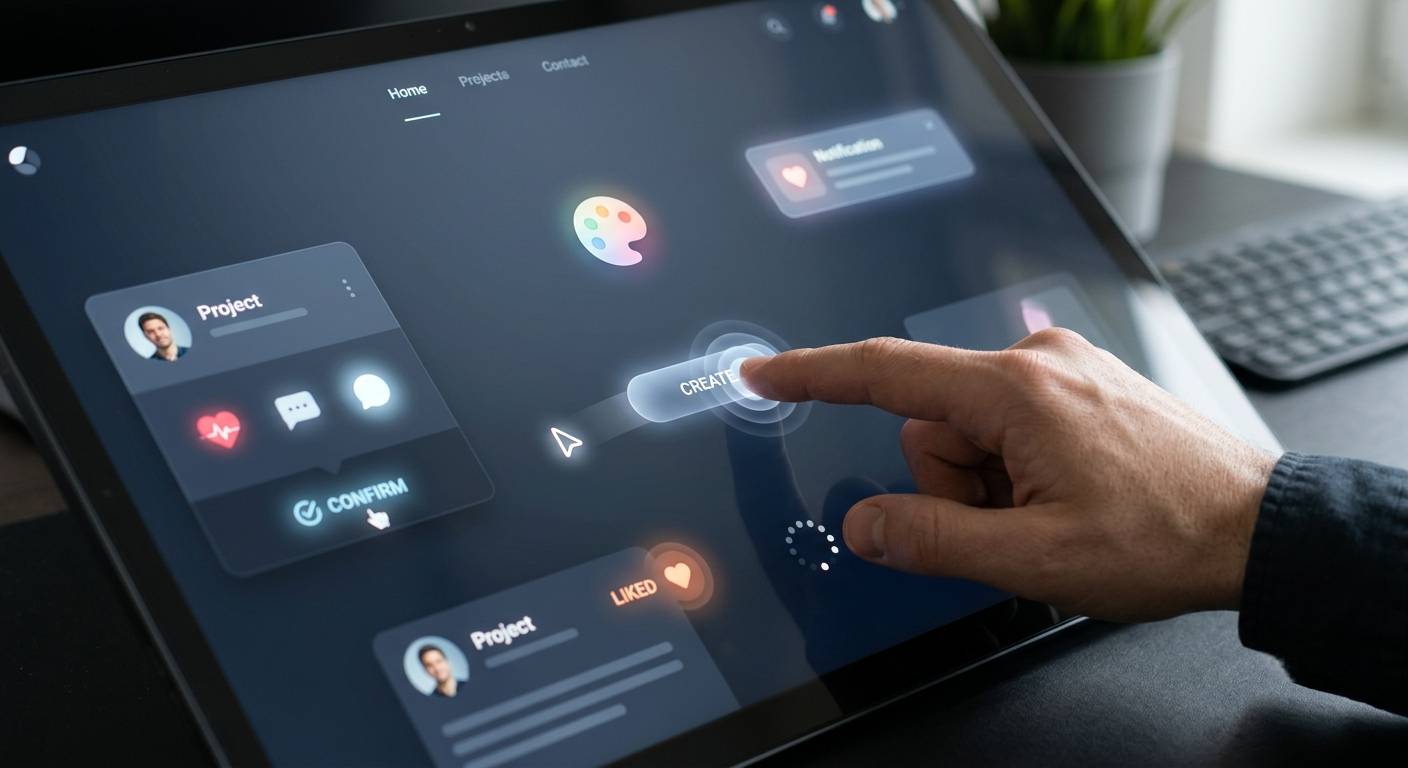
Micro-interactions are small moments that delight or guide users:
- Hover Effects: Subtle color shifts or shadows can suggest approachability or energy.
- Loading Animations: Creative indicators, like playful progress bars, communicate brand tone.
- Success or Error Feedback: Humor, encouragement, or reassurance can reinforce brand voice.
- Notifications and Tooltips: Personality can shine in language and animation style.
When designed thoughtfully, micro-interactions increase engagement while embedding brand character into everyday tasks.
Animation and Motion as Emotional Cues
Animation goes beyond aesthetics—it communicates emotion and intent:
- Timing: Fast animations convey energy; slower animations feel deliberate and premium.
- Easing: Smooth transitions create a sense of care and polish.
- Direction and Scale: Subtle movements can guide attention or indicate hierarchy.
- Interactive Storytelling: Animated interactions can narrate a brand’s story in real time, enhancing memorability.
Motion design transforms static elements into dynamic expressions of brand personality.
Copy and Voice in Interactive Elements
Words within interactive components are part of the brand experience:
- CTA Buttons: “Get Started” vs. “Let’s Go!” conveys tone from formal to playful.
- Tooltips and Messages: Brief, conversational guidance reinforces brand character.
- Error Messages: Even errors can express empathy or humor without diminishing professionalism.
Integrating tone consistently across interactive copy ensures every action reinforces identity.
Balancing Personality with Usability
While expressing personality is important, usability remains critical:
- Clarity First: Ensure animations, copy, and feedback don’t confuse or slow users.
- Consistency: Maintain predictable behavior across pages to build trust.
- Accessibility: Ensure interactive elements remain usable for all users, including keyboard navigation and screen readers.
- Performance: Excessive animations or heavy effects can slow load times and frustrate users.
Personality should enhance experience, not hinder task completion.
Examples of Brand Behavior in Digital Design
- Playful Brands: Use bouncing buttons, colorful hover effects, and friendly copy.
- Luxury Brands: Employ subtle fades, slow animations, and elegant typography.
- Tech or SaaS Brands: Prioritize smooth, intuitive transitions and functional feedback.
- Creative Agencies: Integrate experimental interactions to surprise and delight users.
Observing competitors and industry benchmarks helps guide choices while maintaining distinct identity.
Measuring the Impact of Interactive Branding
Evaluate effectiveness with both qualitative and quantitative methods:
- User Testing: Observe how users react emotionally to interactions.
- Engagement Metrics: Click-through rates, session duration, and task completion reveal functional and emotional impact.
- A/B Testing: Compare interaction styles, animation speeds, or copy to optimize engagement.
- Feedback and Surveys: Gather perceptions about brand personality conveyed through interactions.
Insights allow designers to refine behaviors that resonate most with users.
Designing Brand Behavior for Connection
Interactive elements are living expressions of brand identity. Buttons, micro-interactions, animations, and copy all communicate tone, build trust, and shape perception.
By combining personality, clarity, usability, and accessibility, brands can create digital experiences that feel human, memorable, and emotionally engaging. In the end, every interaction is an opportunity to express who you are and how you want users to feel—turning simple actions into meaningful brand connections.