
A website is often the first point of contact between a business and a potential customer. Within seconds of landing on a page, visitors begin forming opinions about the brand, its professionalism, and whether it deserves their trust. While attractive visuals can capture attention, they are not enough to convince users to engage, share personal information, or complete a purchase.
In today's competitive digital environment, website trust plays a fundamental role in customer decision-making. From professional design and transparent communication to security features and genuine customer reviews, every element contributes to how visitors perceive a business.
Building trust online is therefore not simply a design consideration. It is an essential part of creating a successful digital experience
Why Website Trust Matters in Digital Business
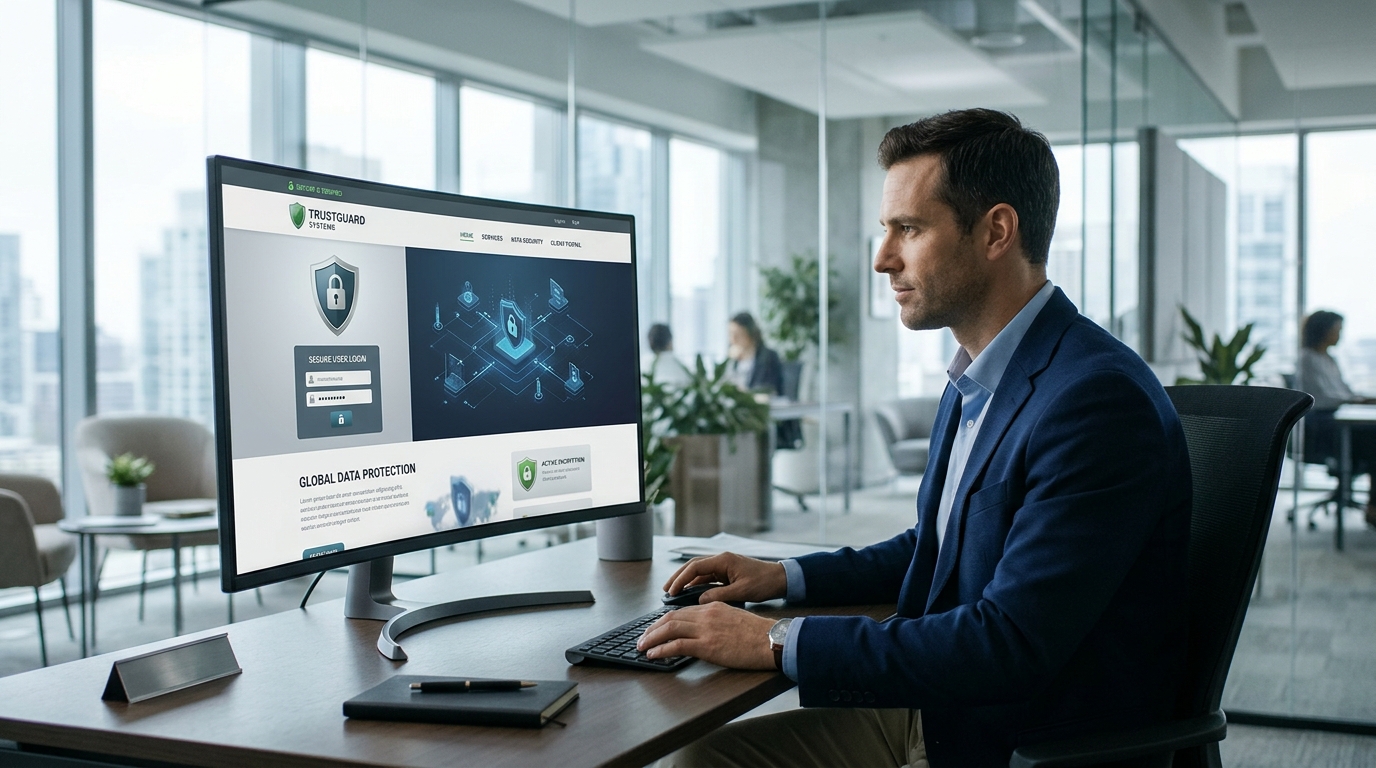
Online customers cannot physically interact with a business before making a decision. They rely on the information, design, and signals presented through its digital platforms to evaluate credibility.
A website that appears outdated, contains inconsistent information, or makes important details difficult to find can create uncertainty. Even if the business offers excellent products or services, visitors may hesitate to proceed.
On the other hand, a professional and transparent website helps reduce uncertainty and encourages users to explore further.
Trust influences several important aspects of online customer behaviour:
- Purchase decisions: Customers are more comfortable completing transactions when a website appears reliable.
- Lead generation: Visitors are more likely to submit contact forms when they understand how their information will be handled.
- Brand reputation: A consistent digital presence reinforces a positive perception of the business.
- Customer loyalty: Positive online experiences encourage customers to return and recommend a brand.
For businesses, investing in website credibility means creating an environment where customers feel informed, confident, and comfortable taking the next step.
First Impressions Begin with Professional Web Design
Visual presentation has a significant influence on how visitors perceive a website. An organised layout, consistent branding, readable typography, and high-quality imagery help communicate professionalism.
However, effective web design goes beyond aesthetics. Every visual element should support the visitor's understanding of the brand and make the website easier to use.
Important design considerations include:
- Consistent branding: Use colours, typography, imagery, and visual elements that reflect the company's identity.
- Clear content hierarchy: Organise information with meaningful headings, readable paragraphs, and logical sections.
- Professional imagery: Choose relevant, high-quality visuals that reinforce the brand's message.
- Intuitive navigation: Make essential information easy to locate through clear menus and well-structured pages.
- Visual consistency: Maintain a unified design across the homepage, service pages, product pages, and contact sections.
A well-designed website communicates attention to detail and gives visitors a stronger reason to explore the business.
The Role of User Experience in Building Customer Confidence
A trustworthy website should also be easy to navigate. Even an attractive platform can lose credibility if visitors struggle to find information, encounter confusing navigation, or experience unnecessary complications.
User experience (UX) design focuses on understanding user needs and creating digital interactions that are intuitive and efficient.
Several UX principles can help strengthen website credibility:
Simple navigation: Organise menus and page structures so visitors can quickly understand where to find relevant information.
Clear calls to action: Use descriptive buttons such as "Request a Consultation," "Explore Our Services," or "Contact Our Team" to guide visitors towards meaningful actions.
Accessible content: Ensure that text is readable, colour contrast is appropriate, and interactive elements can be accessed by different users.
Consistent interactions: Forms, buttons, menus, and other interface elements should behave predictably throughout the website.
Helpful error messages: When users encounter a problem, provide clear explanations and practical instructions for resolving it.
When users can navigate a website without confusion, they are more likely to develop confidence in the business behind it.
Website Security and Data Privacy
Security is one of the most important foundations of online trust, particularly for businesses that collect personal information or process digital payments.
Visitors want reassurance that their information is protected and that the website follows responsible data-handling practices.
Businesses should consider several essential measures:
- HTTPS encryption: Use a valid SSL/TLS certificate to help protect information exchanged between visitors and the website.
- Secure payment systems: Work with reputable payment providers and implement appropriate transaction security measures.
- Privacy policies: Explain what personal information is collected, why it is needed, and how it is used.
- Secure forms: Protect contact forms and customer submissions against spam, unauthorised access, and data exposure.
- Regular maintenance: Keep website software, plugins, and security components updated.
- Data protection compliance: Follow applicable privacy regulations, such as the General Data Protection Regulation (GDPR) or Thailand's Personal Data Protection Act (PDPA), depending on the business and its activities.
Security should not be treated as a technical feature hidden behind the website. Clear privacy information and responsible data practices help customers understand that their information is being handled appropriately.
Customer Reviews, Testimonials, and Social Proof
People often look for reassurance from other customers before choosing a product, service, or business. This behaviour makes social proof an important element of website credibility.
Customer reviews, testimonials, case studies, and verified ratings provide additional perspectives that help potential customers evaluate a company's reputation.
Businesses can strengthen their online presence by incorporating:
Customer testimonials: Display genuine feedback that highlights real customer experiences.
Case studies: Explain specific challenges, solutions, and outcomes from completed projects, using accurate and verifiable information.
Client portfolios: Showcase relevant projects to demonstrate experience and capabilities.
Third-party reviews: Where appropriate, link to recognised review platforms so visitors can explore independent feedback.
Authenticity is essential. Businesses should avoid fabricated testimonials, misleading ratings, or exaggerated performance claims. Genuine customer experiences are more valuable than impressive-looking statements that cannot be verified.
Transparency in Pricing, Policies, and Communication
Unclear information can create hesitation and undermine customer confidence. Visitors should not have to search through multiple pages to understand what a business offers or how to contact it.
Transparency helps establish realistic expectations and reduces uncertainty throughout the customer journey.
For service-based businesses, this may include clearly explaining:
- Available services and their key benefits.
- Pricing structures or how quotations are calculated.
- Project timelines and delivery expectations.
- Payment methods and relevant conditions.
- Cancellation, refund, or service policies.
- Contact details and customer support channels.
For businesses that do not publish fixed prices, explaining the quotation process can still provide reassurance.
Clear communication demonstrates professionalism and helps visitors make informed decisions without feeling pressured.
Mobile Experience and Seamless Navigation

A website must provide a consistent experience across desktops, tablets, and smartphones. With customers accessing digital platforms through different devices, mobile usability is an important part of building trust.
A website that displays incorrectly on smaller screens, contains difficult-to-use buttons, or requires excessive scrolling can create frustration and reduce confidence.
A mobile-friendly website should include:
- Responsive layouts that adapt to different screen sizes.
- Readable typography without unnecessary zooming.
- Touch-friendly buttons and navigation menus.
- Optimised images and efficient loading performance.
- Forms that are simple to complete on mobile devices.
- Consistent information and functionality across devices.
Businesses should also test their websites regularly on different screen sizes and browsers. A seamless experience helps customers interact with the brand wherever they are.
Turning Website Trust into Long-Term Customer Relationships
Building trust does not end when a visitor completes a purchase or submits a contact form. The quality of the entire digital experience contributes to how customers remember a brand.
After an interaction, businesses should continue delivering clear communication, reliable service, and consistent support.
For example, automated confirmation emails, helpful follow-up messages, transparent order updates, and accessible customer service channels can reinforce a positive impression.
Website analytics can also help identify areas that need improvement. By monitoring user journeys, form completion rates, page performance, and customer interactions, businesses can better understand where visitors encounter difficulties.
Regularly reviewing and improving these elements helps ensure that a website remains relevant, reliable, and aligned with customer expectations.
Conclusion: Trust Is the Foundation of a Successful Website
A successful website should do more than attract visitors. It should give people confidence in the business, provide clear information, and make every interaction feel straightforward and secure.
Professional design, intuitive UX, strong security practices, authentic social proof, transparent communication, and responsive functionality all contribute to a credible online presence.
For businesses looking to strengthen their digital performance, website trust should be considered an ongoing investment rather than a one-time design decision.
At Pimclick, we believe that effective digital experiences combine creativity, technology, and user-centred thinking. By bringing these elements together, businesses can create websites that not only make a strong first impression but also build meaningful and lasting customer relationships.